The F2R Story
Where it started
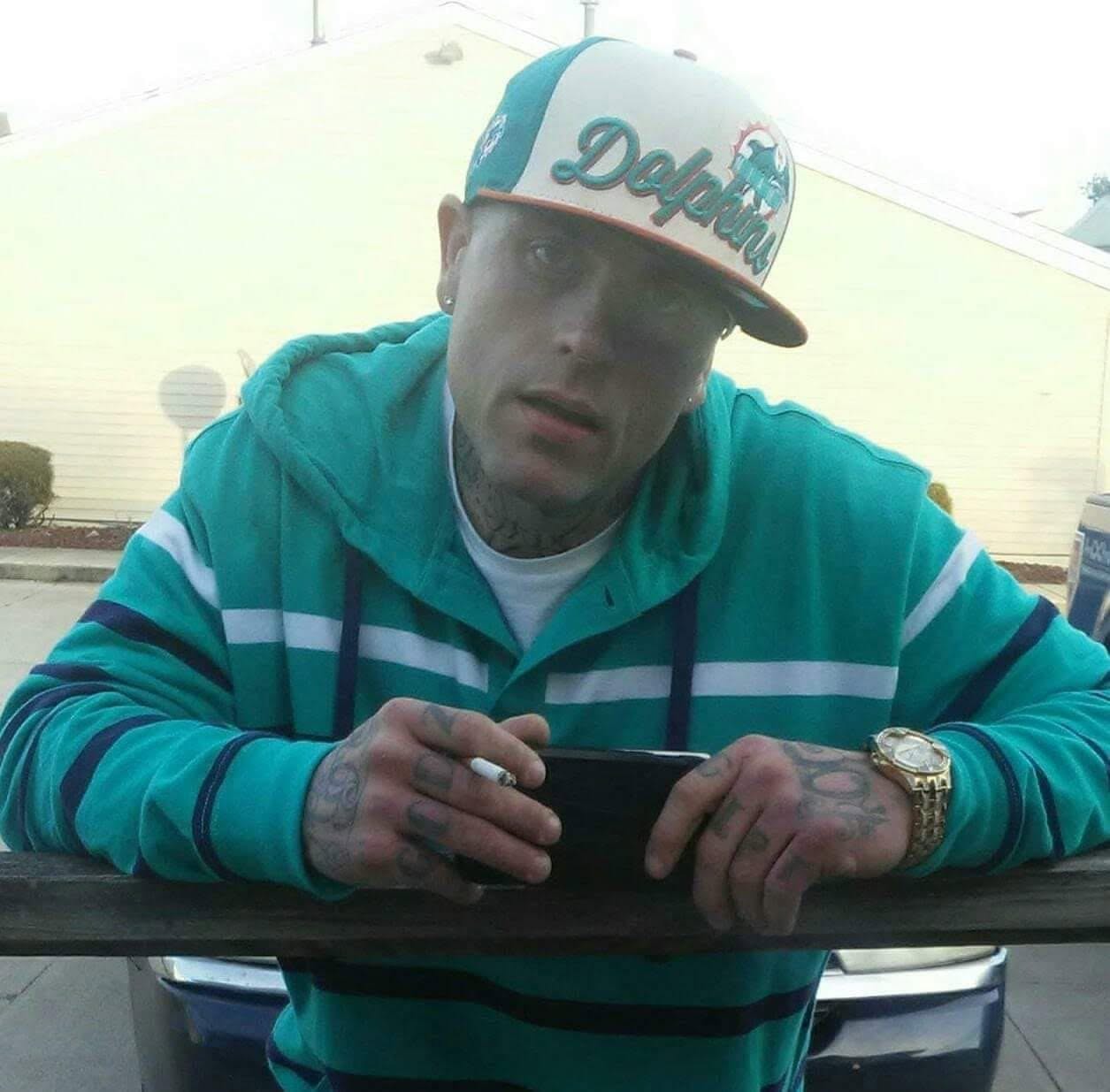
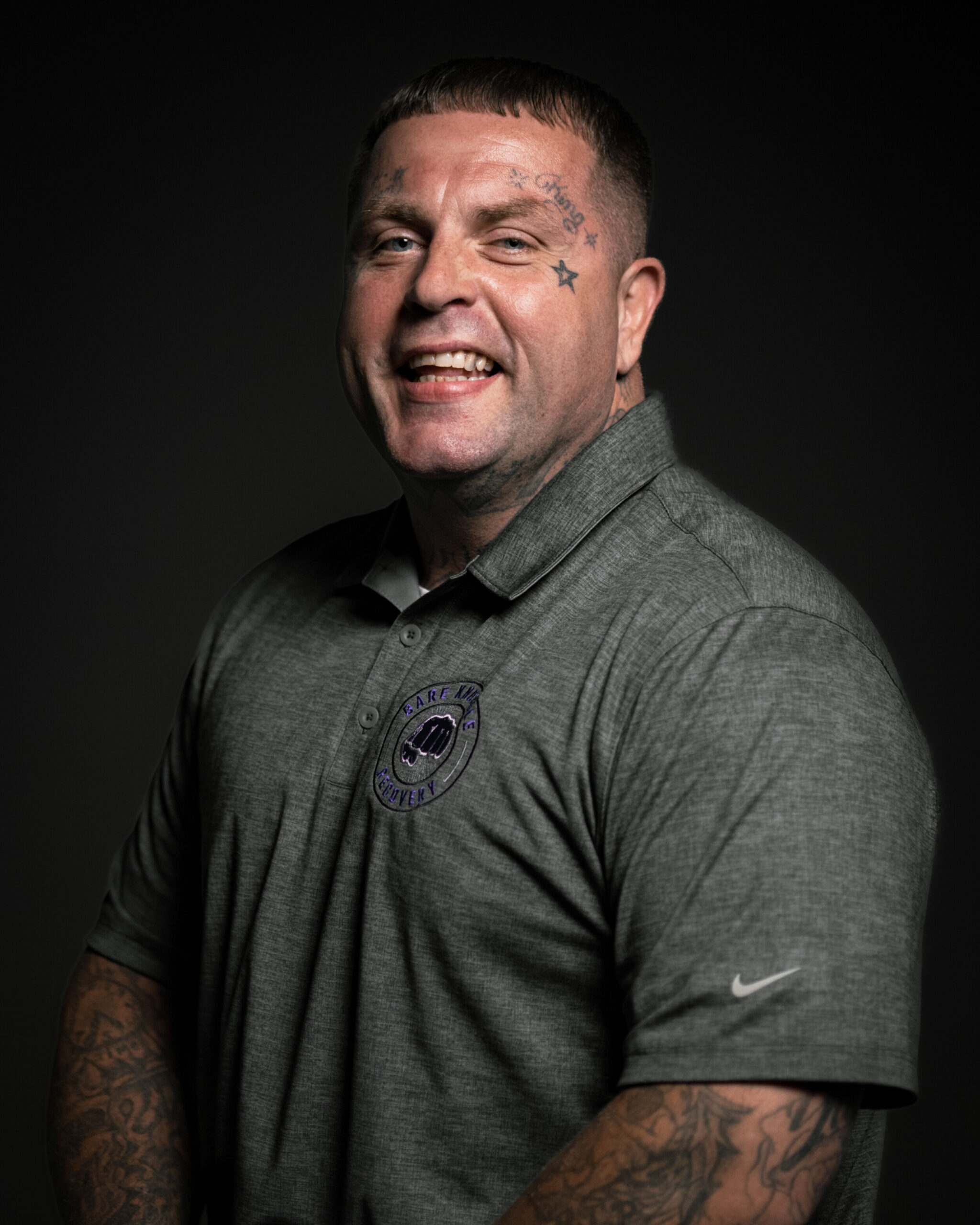
Robert "Bob" Springer was born in Goshen, Indiana. His family struggled. Addiction ran on both sides, role models were in prison, and stability wasn't something he grew up with. He learned to fight when other kids made fun of him. By middle school he was running with gangs, and by 16 he was getting caught at school with half a pound of weed.
His dad—who had sobered up by then—stepped in. Instead of letting Bob go to jail, he arranged for him to move to Columbus, Ohio, to live with his mom. In a bigger city with metal detectors at the school and dealers in the hallways, Bob found what felt like purpose.
"I was the fat kid who didn't have girlfriends. Then I started selling, and I noticed people wanted to hang out with me. I liked it. I felt like I'd found my calling."
Bob's older brother came down from Indiana on a probation violation, deep in addiction. Bob, who had wanted a relationship with him their whole lives, started using with him to keep him close. One night, his brother called asking for drugs. Bob gave him what he asked for. Twenty minutes later, his brother overdosed.
At the hospital, doctors discovered a rare cancer the drugs had triggered into a seizure. His brother didn't recover.
In the weeks after his brother's death, Bob shot heroin for the first time. He was 20 years old.
"My whole entire life changed. The only thing I ever stayed 100% faithful to was heroin. You could tell me my son was disappointed in me—I'd shoot a bag. My mom could be crying because I stole her jewelry—I'd shoot a bag. Nothing else mattered."
Over the next decade, Bob racked up nine felony charges. He went to prison. He got out. He went back.
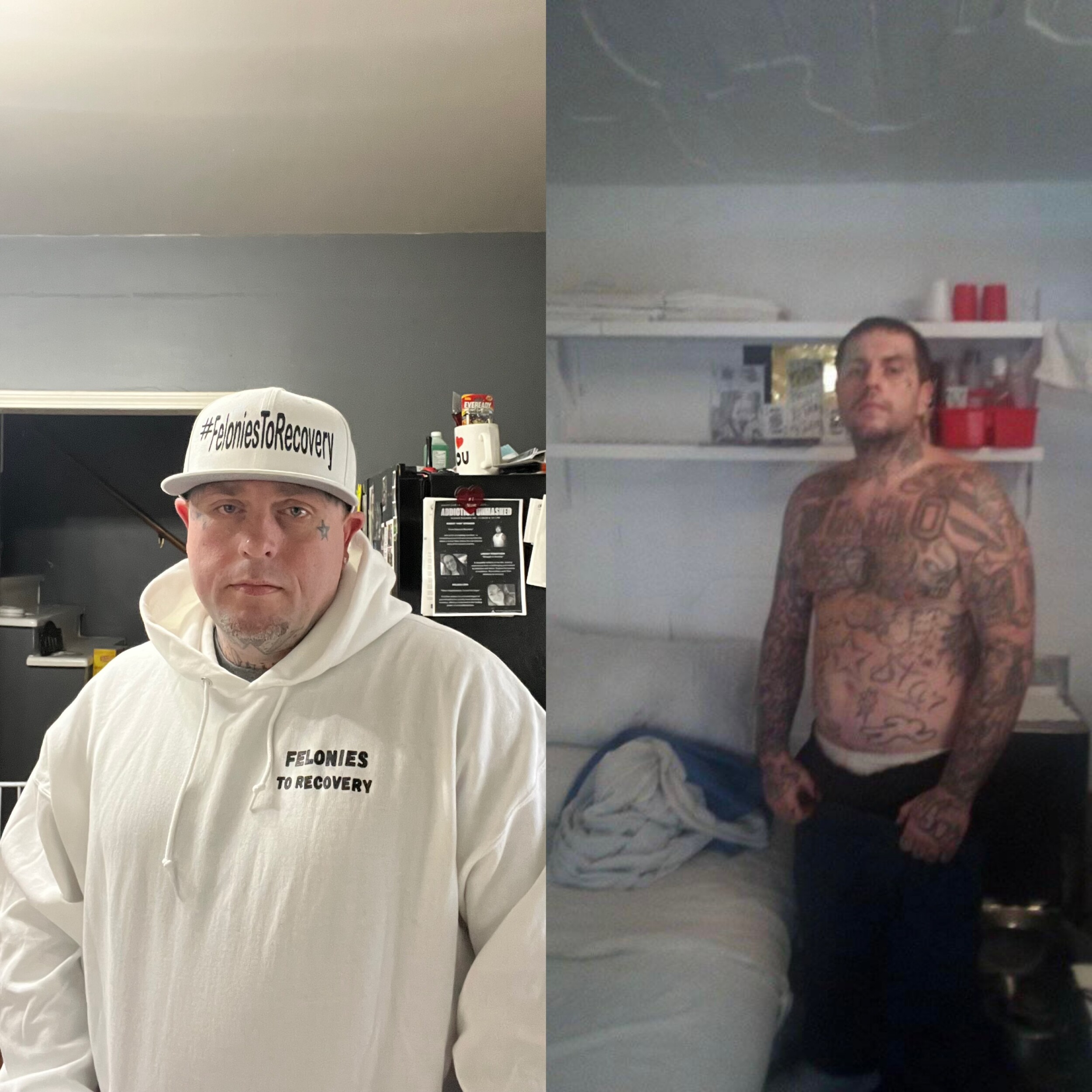
His last sentence sent him to Michigan City—maximum security, behind the wall. Two weeks before his release, he watched a guard get stabbed. He got jumped himself: stabbed in the hand, the neck, the back. Broken ribs. A black eye that lasted five months.
Lying in his cell, he prayed.
"Lord, the only way I'mma get sober is if you take everything in my life away. I can't come home kicking it with the same people doing the same things and expect different results."
March 22, 2020
Bob was released from prison on March 21, 2020. His dad picked him up at midnight and pulled the truck over before they got home.
"For 20 years, I lost my son," his dad said. "I don't even know your favorite color. And you're my son."
Bob agreed to his dad's rules. Withdrew from suboxone in his dad's house for two weeks—worse than heroin, he says. Stayed.
March 22, 2020 is his sobriety date. He hasn't used since.
Felonies to Recovery
A year into sobriety, Bob started posting short videos in the morning before work. People started responding. He told his wife he wanted to start a page to help other addicts, and he didn't know what to call it. His mom—who had watched him almost destroy himself for two decades—named it for him.
"It takes a lot for a person that's a felon to recover," she said.
"That's it. Felonies to Recovery."
Bob's mom passed away not long after.
"I find joy and peace knowing that my mom took her last breath knowing I had turned my life around. That I'm sober."
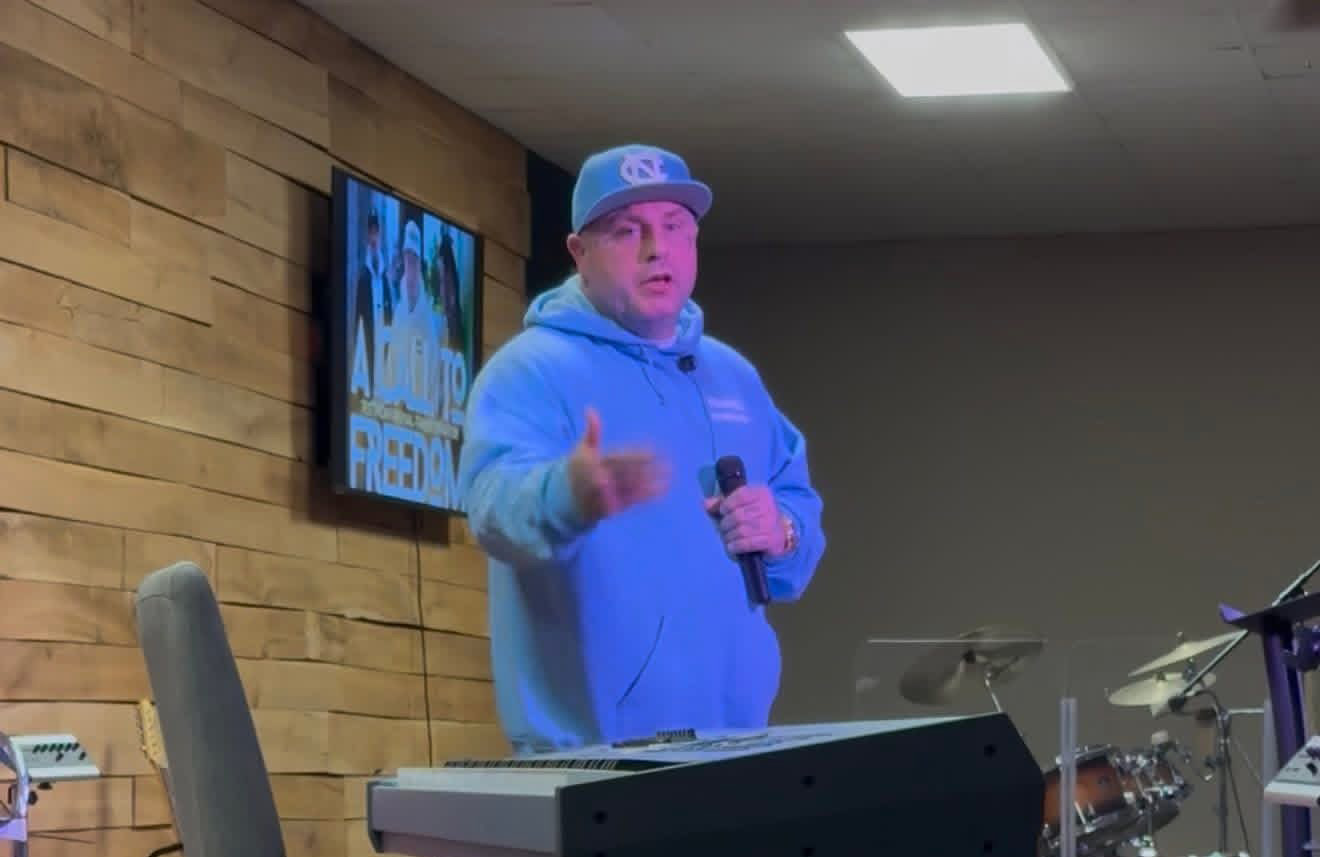
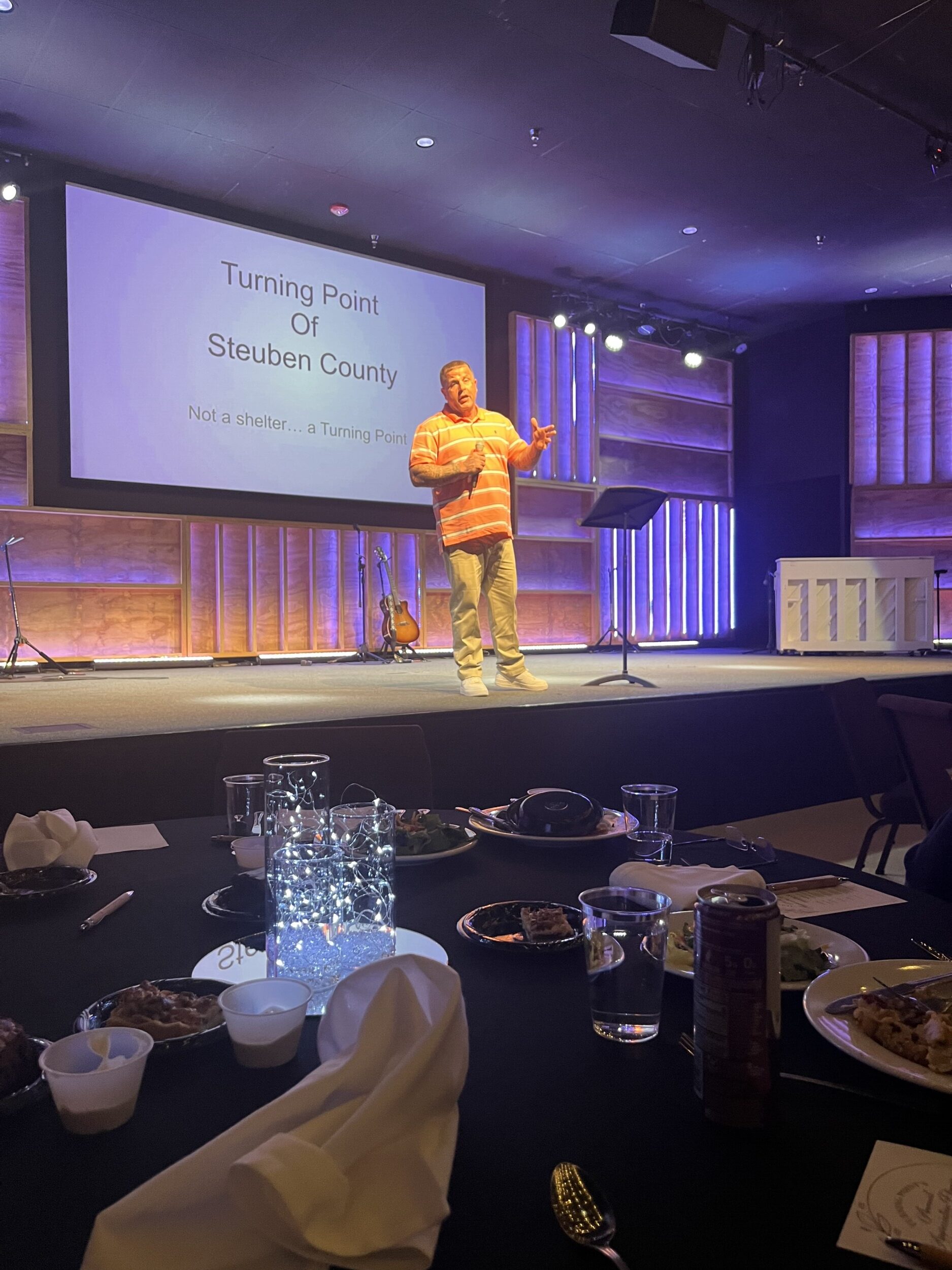
Today, Felonies to Recovery reaches over 250,000 people across Facebook, YouTube, and TikTok. Bob speaks at churches, prisons, treatment centers, and recovery events. He answers messages from people in active addiction, families looking for hope, and inmates trying to figure out what comes next.
His words for the work:
"Sit with the broken. Use my past, my pain, and my struggles to help guide them and help them find hope."